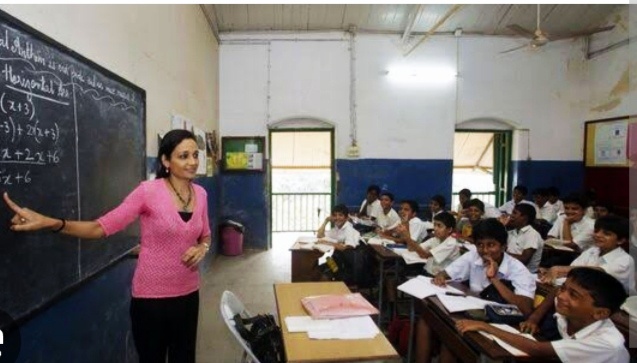
“Toby was so tremendously unhappy in school,” says his father, Daniel. “We were standing outside the classroom door for an hour every morning and he just didn’t want to go in. “[It reached the point where] we thought ‘this doesn’t work.’” Daniel says he tried everything to settle him but he was failed.“
As frustration with traditional schooling grows, a striking shift is underway: parents are increasingly choosing to take education into their own hands. What’s driving this trend called “home education,” and what does the data show?
A Growing Movement
– In the U.S., the share of K–12 students who are homeschooled rose from 2.8% in 2018–19 to 3.4% in 2022–23.
– Other sources estimate that up to 6.7% of students — over 3.7 million children — are now being homeschooled.
– The COVID-19 pandemic catalyzed this shift: homeschooling rates nearly doubled during 2020 and, despite a slight decline from the peak, remain significantly higher than pre‑pandemic levels.
Why Parents Are Opting Out of Traditional Schooling
1. Concerns about the school environment
2. Dissatisfaction with academic instruction
3. Desire for moral or religious alignment and stronger family time
4. Flexibility and customization
5. Better outcomes for special needs or neurodiverse learners
6. Academic performance advantages
7. Diversity and cultural responsiveness
8. Innovative alternatives are emerging
In Summary
The rising wave of homeschooling reflects profound shifts in parental priorities, including safety, dissatisfaction with academics, personal values, flexibility, special needs, and academic performance.
Looking Ahead
As dissatisfaction with traditional schools grows—driven by concerns over mental health, safety, standardized approaches, and cultural responsiveness—homeschooling is becoming more mainstream. The future may lie in hybrid models, microschools, community co-ops, or enriched homeschool networks that blend flexibility, safety, and academic rigor.
References
Pew Research Center (2025), Demographic and pandemic-related growth figures, Forbes (2025), Guardian (2025), Telegraph (2024), NYPost (2025), News.com.au (2025), and others.