India is winning the wrong race.
While literacy is slowly rising—from 64.8% in 2001 to approximately 80.9% in 2023–24, according to the Periodic Labour Force Survey (PLFS)—this statistical progress hides a looming threat: an alarming shortage of teachers that jeopardizes the future of education in the country. (The Times of India)
A Paradoxical Landscape
The National Education Policy (NEP) 2020 envisions an optimal pupil-teacher ratio of 30:1, with an even more ambitious 25:1 in disadvantaged areas. Yet, in reality, many states are grappling with ratios exceeding 40:1, especially in underserved regions. (The Times of India) This disparity highlights the widening gulf between policy aims and classroom realities, demanding urgent attention.
State-Level Contrasts Reveal Cracks in the System
- Bihar: Literacy improvements are shadowed by a dwindling number of teaching staff, leaving classrooms dangerously understaffed despite educational gains. (The Times of India)
- Karnataka: The state is caught in a demographic mismatch—hiring new teachers even as a wave of retirements is underway. (The Times of India)
- Punjab, Jharkhand, Haryana, Rajasthan: These regions reflect systemic neglect, where rising enrollments and literacy rates mask fragile infrastructures and overburdened teachers. (The Times of India)
Consequences for Students and the Education System
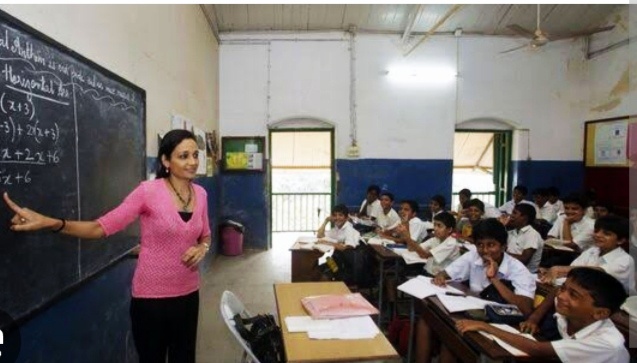
This teacher deficit isn’t just a numbers issue—it’s a threat to the quality and sustainability of literacy itself. Overcrowded classrooms limit individual attention, reduce student engagement, and may lead to declining educational outcomes. This degradation of teaching quality undermines decades of progress.
A Broader, National Concern
Reports underscore that India grapples with over one million teacher vacancies, with 60% in rural schools. These vacancies are compounded by weak digital access, poor infrastructure, and insecure employment—60–70% of teachers (both in private and public schools) lack secure contracts. (DevelopmentAid) The result is a fragmented system where many rely on temporary or guest teachers, creating instability and inconsistency in learning.
Calls for Systemic Action
The situation demands multi-pronged interventions:
- Scaling Teacher Recruitment and Retaining Talent
States must expedite hiring processes and offer incentives—especially in rural and disadvantaged areas—to attract and retain committed educators. - Upgrading Infrastructure
Digital tools, professional development, and safe, well-equipped classrooms are essential to support both full-time teachers and tutors. - Tapping into Tutor Networks
A structured collaboration with vetted tutors—including contract-based or volunteer networks—can supplement capacity where government schools fall short. - Policy and Oversight Measures
States must track and ensure adherence to pupil-teacher ratio norms. Civil society and tutoring sectors can help flag gaps and best practices.
Why Tutors Matters Now More Than Ever
In this fragile landscape, tutors and supplementary educators play a vital role in bridging the gaps:
- Personalized learning: With overcrowded classrooms, one-on-one or small-group sessions can reinforce fundamentals and bolster confidence.
- Subject expertise: Tutors can target areas where public schooling struggles—especially in foundational literacy, mathematics, and language skills.
- Geographic flexibility: In remote or rural areas, tutors (including volunteer and digital models) can provide critical access where teacher shortages are starkest.